


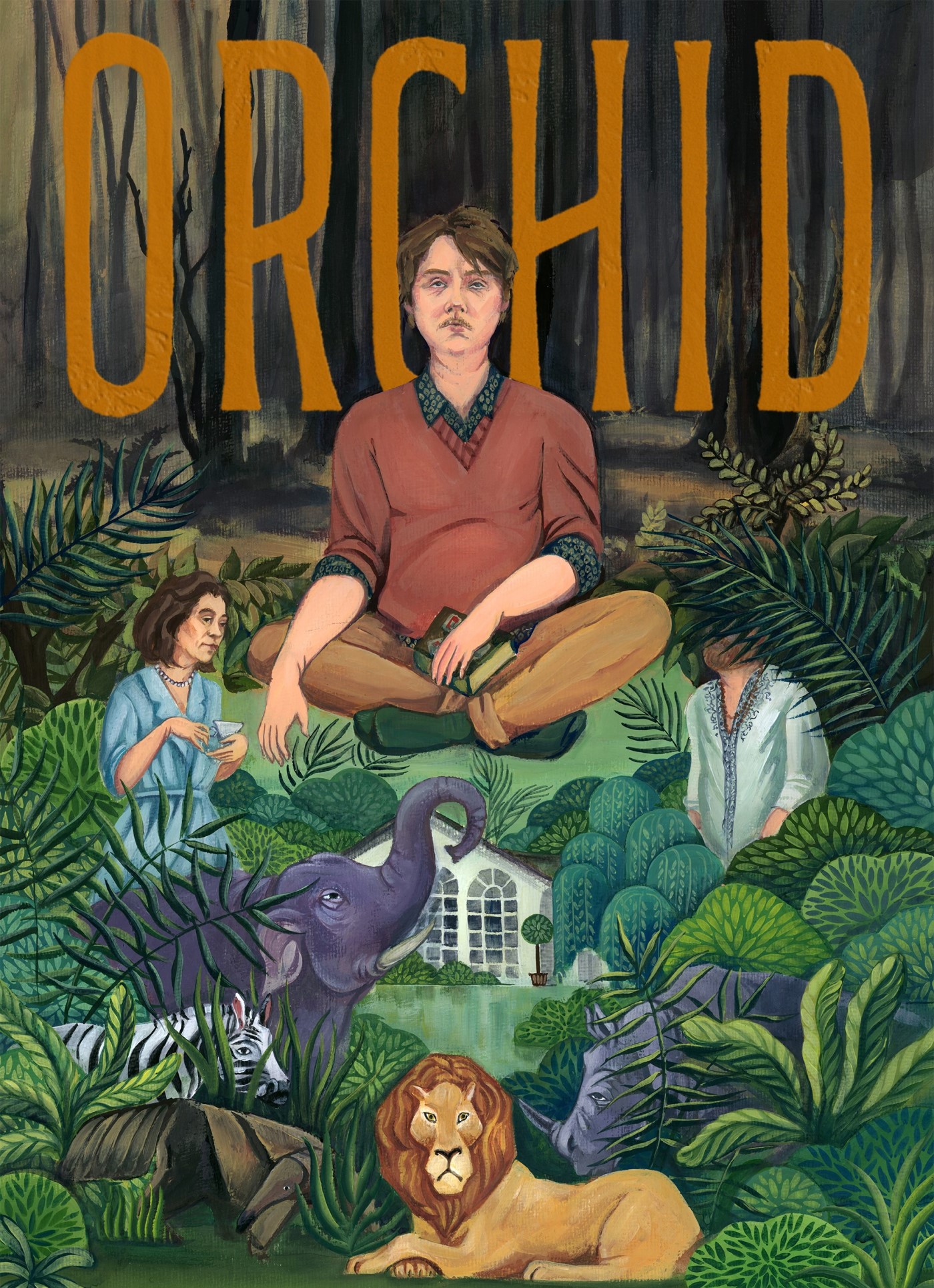
Orchid is unnerving and will burrow beneath the skin of audiences, with an arresting visual style and performances that complement those artistic choices. Co-writer-director Jacque Rabie has created something that sub-consciously numbs the senses, ramps up tension, and brings a sexually charged element to Orchid that gives it urgency. Jacob Vaus and Varda Appleton conjure a relationship that is overtly controlling and riddled with emotional complexity. Testing the edges of infatuation as Vaus immerses himself in the character of Gus, leaning into silence, embracing fractured interactions, and blurring the lines between reality and fantasy. Asking audiences to follow him down the rabbit hole as Jacque Rabie tests the boundaries of ambition.
There is no denying the emotional scope of this film, that manages to cram a lifetime of ideas into just over an hour. The central relationship between Gus and Henrietta is a power dynamic that goes one way. He is a slave to her whimsy, fulfilling household chores, posing for posterity, and inviting his adulation through intentionally sensual moments of platonic intimacy. The pregnant pauses between them concealing an emotional chasm, defined by age, experience, and economics. Rabie captures these moments using a vicarious camera, inviting audiences to share in the awkward bending of boundaries as this one-sided infatuation becomes problematic. These abstract moments of intimacy are intercut with visually audacious dream sequences, incorporating newsreel pastiche alongside abrupt emotional outbursts.
Writer-director Jacque Rabie changes things up by introducing another element into this equation, that mixes up those conflicting emotions further. Teddy is closer to Henrietta’s age, has all the life experience Gus lacks, and brings a genuine masculine influence into the arrangement. It not only adds to the sense of emotional paralysis within those walls but may push some audiences away. The triangle that exists between them becomes more impenetrable, and Orchid starts to drift into true arthouse territory.
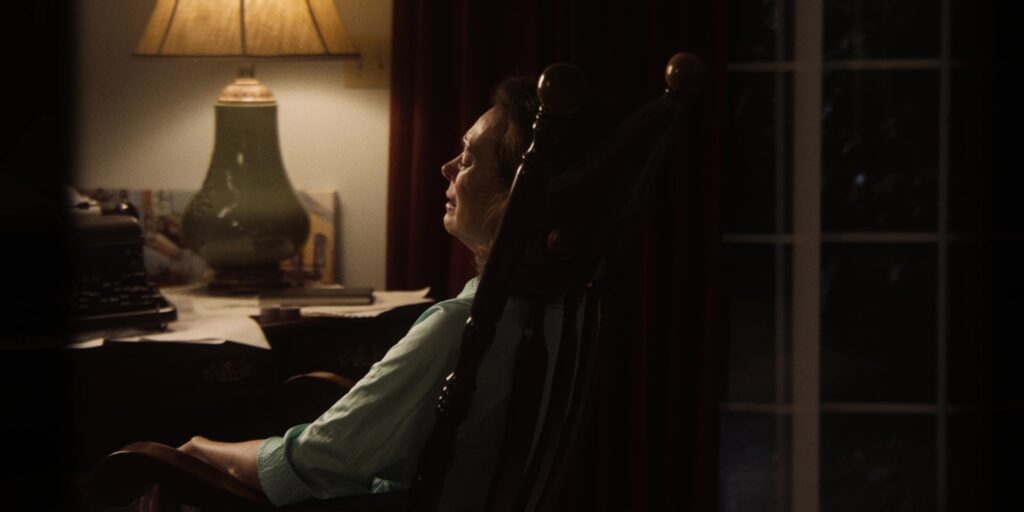
Image courtesy of Motel Zero
This is where anyone watching needs to take a big leap of faith, because Orchid makes some bold choices in the closing minutes. Choices that may seem brazen for those unprepared to commit. Theological digressions, transformative character moments, and visuals that verge on impressionistic await those who go the distance. In the final act Orchid does away with subtlety and embraces animalistic tendencies as these characters are unleashed. Going beyond confrontational gender stereotypes and drifting into David Lynch territory.
For some this is where Orchid will collapse under the weight of pretentious choices. Mournful looks into the middle distance coupled with distinctive dialogue decisions, might make some audiences run for the hills. Threatening to turn this into just another introspective two-hander about cultural disconnection, stripped of emotional honesty by a script that feels overly earnest. However, there will be others who invite the invention, and find those visual choices invigorating.
This film is divisive and there is no denying it. Orchid walks a storytelling tightrope that requires a clarity of vision, and audience willing to commit without question. Writer-director Jacque Rabie has created something intent on promoting debate, that is equally ostentatious and introspective. A unique proposition for anyone after an Avant Garde character study with arthouse origins.
Orchid will be available on digital download soon.