


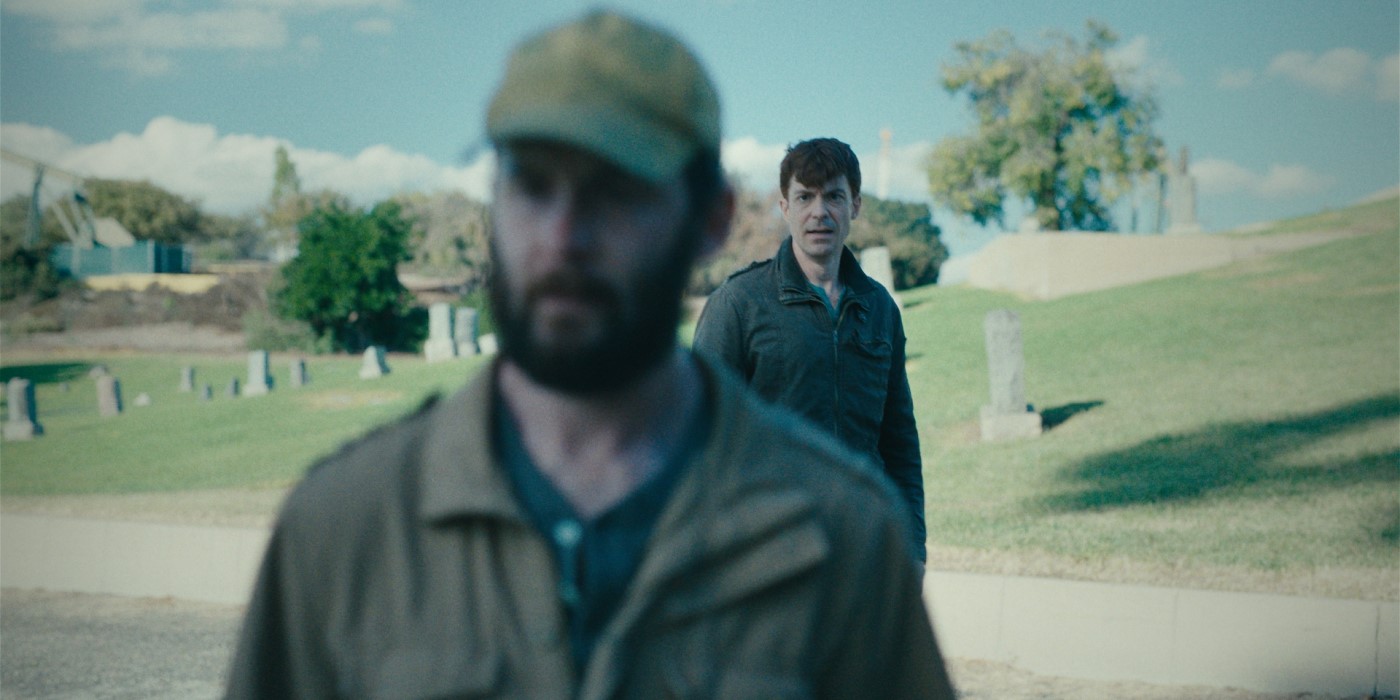
Tether feels deeply personal. Screenwriter Anghus Houvouras has fashioned a formidable piece of fiction, that follows two men wrestling with the emotional aftermath of a school shooting. Each unable to confront their demons and move beyond the tragedy that has come to define them. Tied to their past and unwilling to cut loose, Leonard and Gerald are on a collision course. Director Hariharasudhen Nagarajan fills in backstory through flashbacks, adding dimensions to a story underpinned by powerful performances. Shining a light on the broader context of gun culture in America, where owning a firearm comes with the territory.
By laying down the law in human terms Tether gives this debate some teeth and cuts through the political posturing. Leonard has not only lost a daughter to this tragedy, but a wife to the emotional aftermath. Fuelled by anger and seeking retribution against anyone, his chance encounter with Gerald is pivotal. However, Tether never trades on caricature or cliche when creating these characters. There is an emotional honesty to both men elevated through the writing, that audiences will identify with. Emotional manipulation is off the table, and instead, viewers are treated to a stripped back depiction of cultural consequences, that puts victims centre stage. Beyond this social commentary sub-text, Tether also shows a structural sophistication that digs deeper into the debate.
Snatches of smartphone footage highlight the daughter Leonard has lost, revealing a teenager with big plans and a bright future. These moments might be poignant, private, and deeply personal, but they also possess a universal truth. Gun culture in America has reached a tipping point, and the constitutional right to bear arms comes with consequences. Tether seeks to shake people out of their apathy and instigate change through awareness. Anghus Houvouras goes for the throat building a brutal reality into this character study on grief and reconciliation. Blindsiding audiences by pulling no punches in calling out people who would argue America is unaccountable.
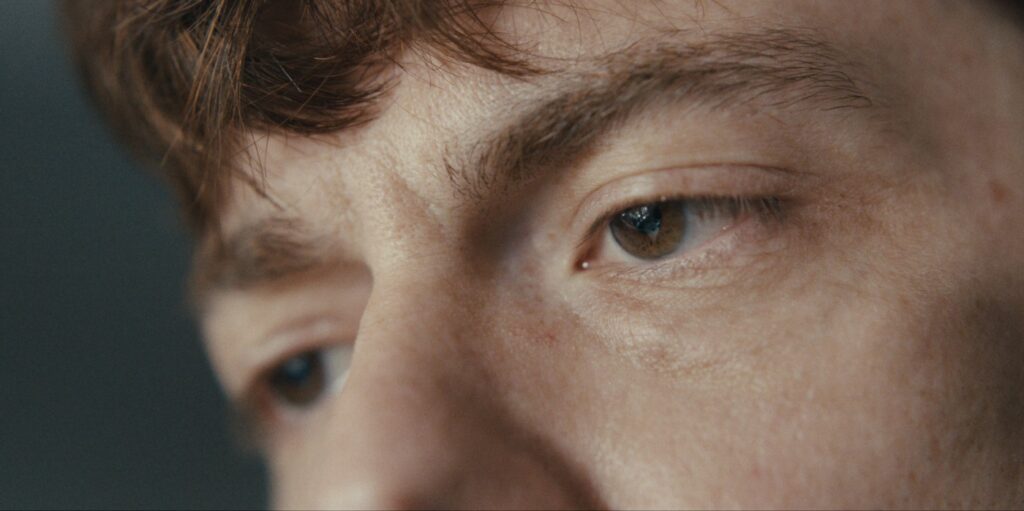
Image Courtesy of PSF Productions
With a nation capable of arming itself to the teeth, where young children take out their frustrations by killing classmates, Tether is much more than a sobering cinematic experience. It might offer audiences a degree of catharsis in the final moments, but Tether never provides easy answers. From a mainstream perspective the influence of social media also plays a part in shaping the people behind these shootings, making comparisons to Netflix phenomenon Adolescence inevitable. They may use different weapons of choice, but the cultural conversation is equally important.
The immediacy of these projects is apparent and their relevance undeniable. Nick Giedris and Ben Burton stand shoulder to shoulder with Stephen Graham and Christine Tremarco in raising awareness on the subject. Putting it on the radar of audiences after something more substantial from their drama. Tether might not have the backing of a major streaming studio, but word of mouth can move mountains. Anyone going in cold will be rocked to their foundations, while sceptics will keep their distance.
Irrespective on the reception, Anghus Houvouras and Hariharasudhen Nagarajan have swung for the fences and hit a home run. There are moments of emotional intimacy in this indie drama that rival blockbusters with bottomless budgets. Proof that the impact of cinema has nothing to do with scale and everything to do with ideas. For those willing to challenge this theory further, consider the Oscar-winning Anora and then get back to me.
Tether debuts at the Dances with Films Festival June 22.