


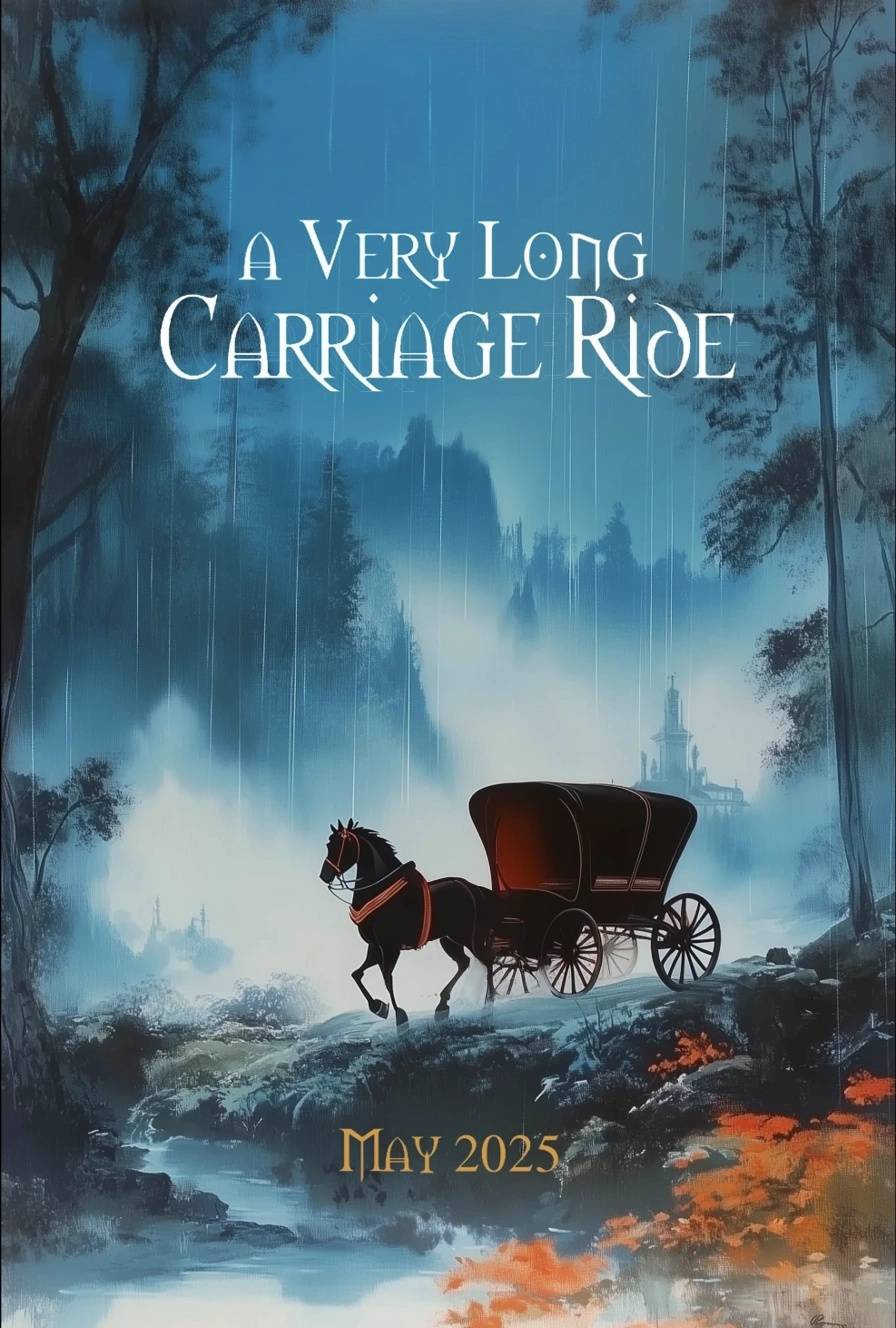
Writer-director Hooroo Jackson is busy carving his own niche in film history with the help of artificial intelligence. A Very Long Carriage Ride is the next step in that evolution following Dread Club: Vampire’s Verdict. Taking the hallmarks of classic animation studios including Disney and fashioning a period drama from thin air using nothing but AI, Jackson continues to push the boundaries. Lifting liberally from Jane Austen, Alexandre Dumas, and Bram Stoker, Carriage Ride embraces these established authors to forge something fresh. Tipping a hat to recognised tropes and creating tonally mashups that will be sure to get audiences talking.
A criticism that is consistently levelled at AI feature films focuses on their perceived threat to the establishment. The ability to create characters from nowhere and have them fashion a performance from thin air has got the film industry on edge. However, based on the evidence of this latest feature from Jackson, Hollywood has nothing to worry about just yet. Autumn Watt is introduced early on as the resourceful hero of this costume drama, embracing all the elegance of Elizabeth Bennett from Pride & Prejudice. Inquisitive, headstrong, and resilience under pressure, she feels the most believable among this artificial ensemble cast.
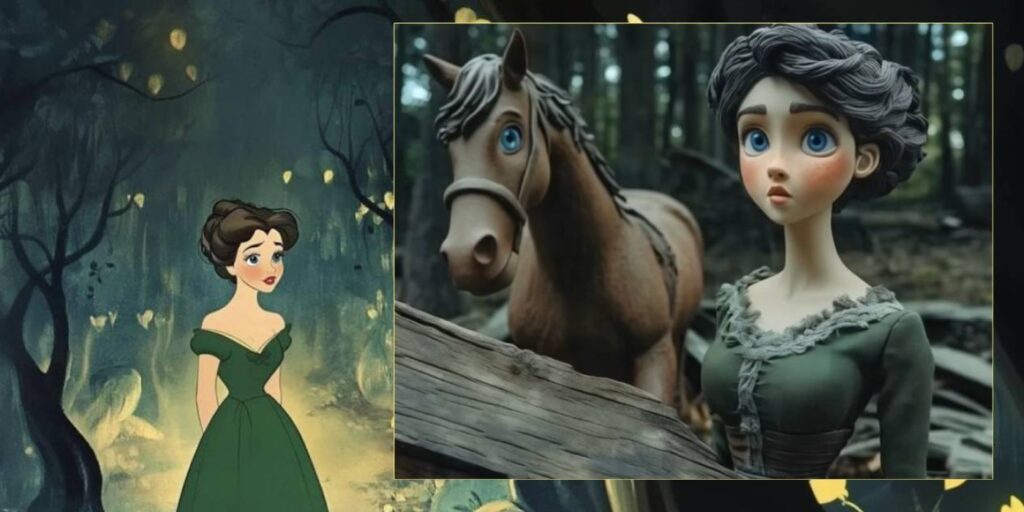
Image Courtesy of Hooroo Jackson
The problem when trying to critique this film and anything else like it is that writers run into issues of context. There are so few examples of this medium available that attempting to judge performances, structure, and emotional connection in a conventional sense feels redundant. Scenes sometimes end abruptly, dialogue is often overly elaborate, and tone can change without warning. In the case of A Very Long Carriage Ride any investment from audiences, either into the characters, story, or sub-text is disrupted. That is why, despite the obvious technical achievement of making a film of this breadth using AI, Carriage Ride will fail to engage some audiences.
Of the two versions available, audiences may prefer the classic animation that so closely resembles Disney, over a stop-motion alternative. Although the writer-director does change animation styles at unexpected moments for dramatic effect, this approach is the most interesting. As Autumn Watts and the vagrant Hopkins Brandy forge their path towards that final confrontation, scenes are easier to follow. Audiences may have to deal with the psychedelic distractions and existential dialogue thrown in randomly, but in two-dimensions they prove less distracting.
By employing different approaches to the same story, Hooroo Jackson is not only illustrating the versatility of this medium, but eradicating production costs. So far, Hollywood has limited the use of AI to de-aging actors and extending soundstages. Examples in Rogue One: A Star Wars Story, and more recently Alien: Romulus, show how far the technology has come in adding finesse to finished films. The leap towards eradicating actors completely is still many years away, but pioneers like Hooroo Jackson need to be celebrated not ostracised. A Very Long Carriage Ride might not combine elements of Jane Austen and Alexandre Dumas with the flair audiences expect right now, but when that time comes, hopefully Hollywood will have evolved enough to acknowledge AI has something else to offer.
A Very Long Carriage Ride is available on Amazon and Escape.AI.